Introduction
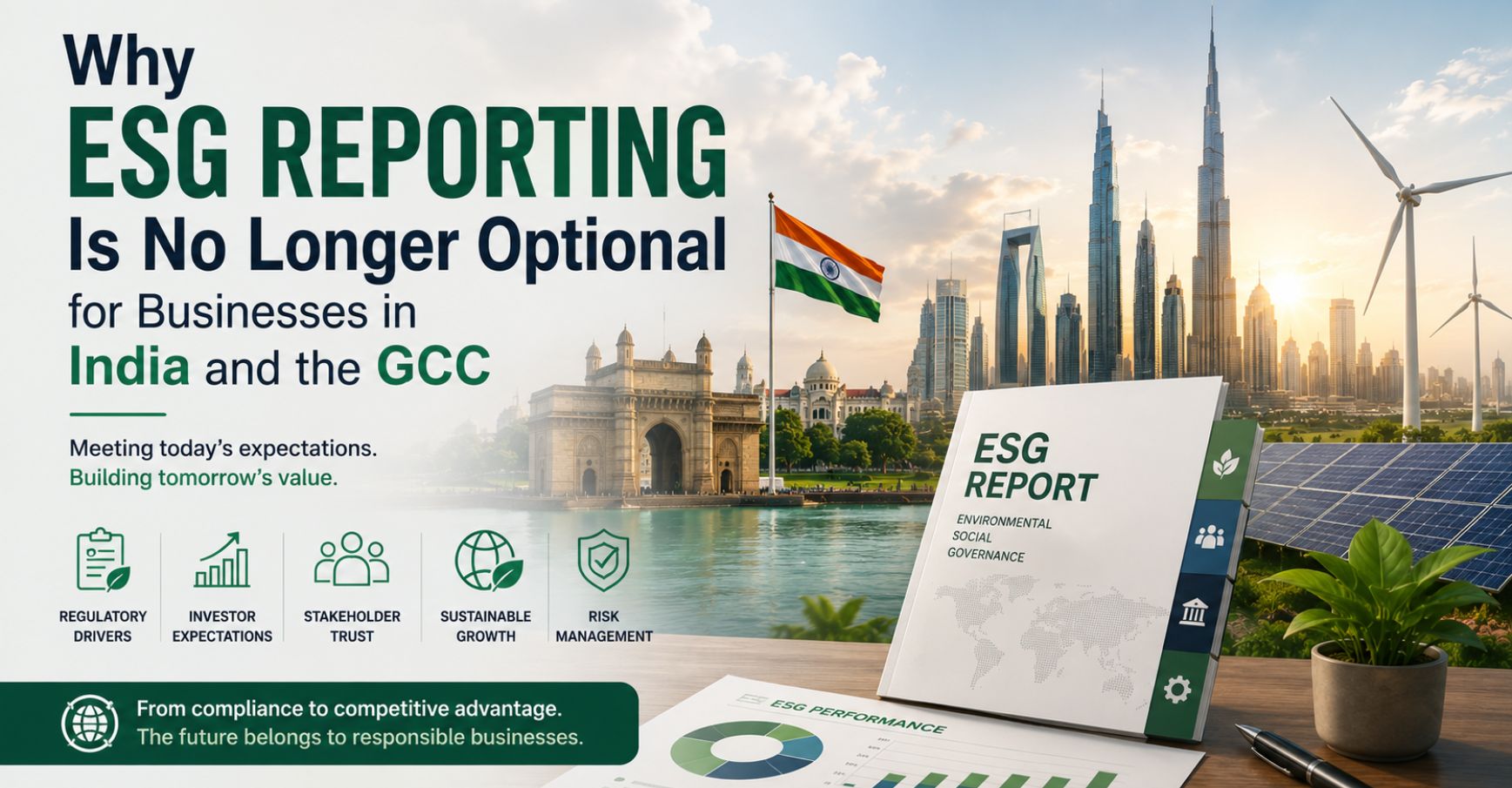
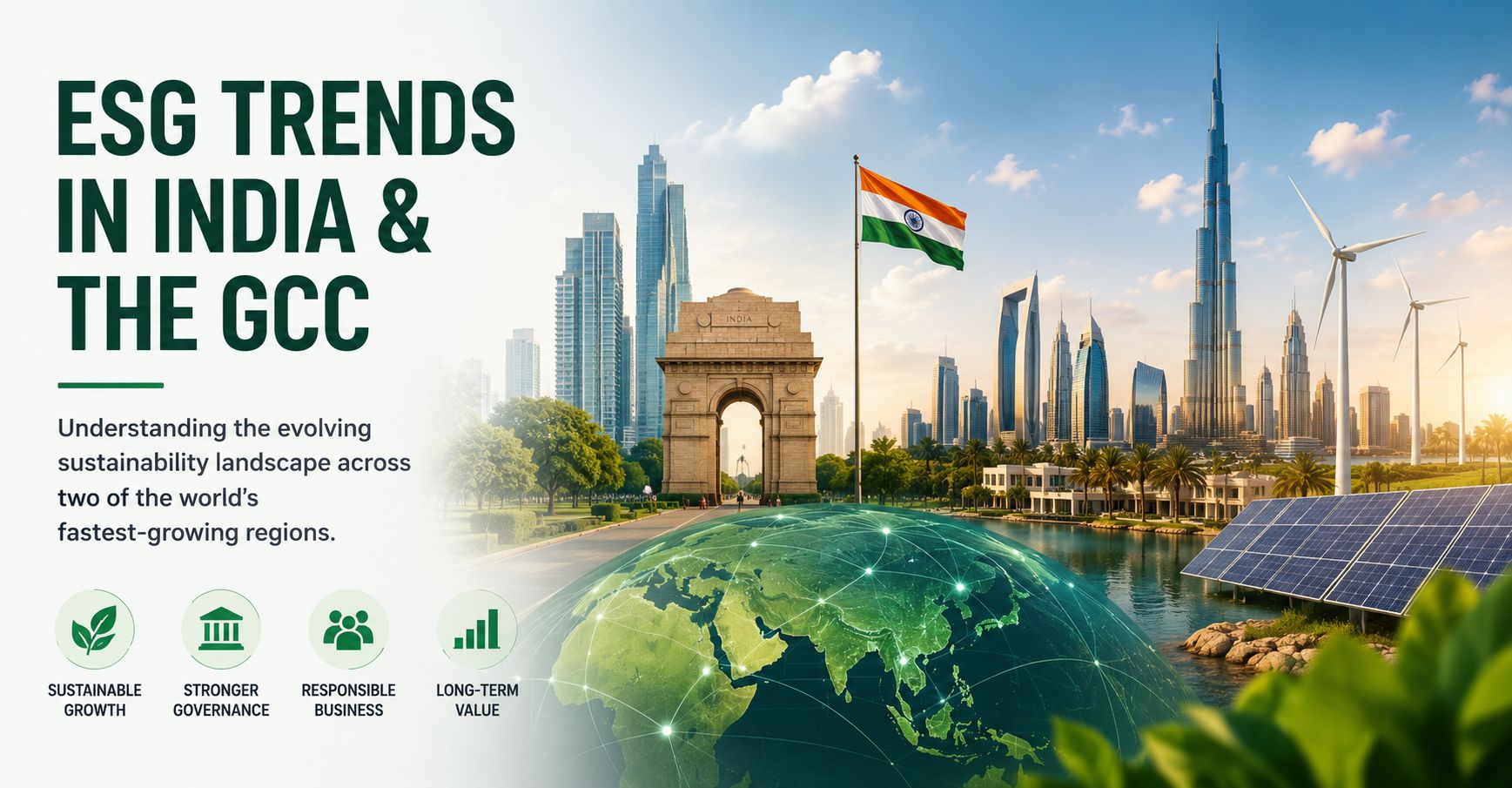
Environmental, Social, and Governance (ESG) has become a strategic priority across both India and the Gulf Cooperation Council (GCC). While each region has its own regulatory landscape and market drivers, both are witnessing increased expectations from investors, regulators, customers, and financial institutions regarding sustainability performance.
For businesses operating across these markets, understanding regional ESG trends is essential for maintaining compliance, strengthening competitiveness, and supporting long-term growth.
India’s ESG Evolution
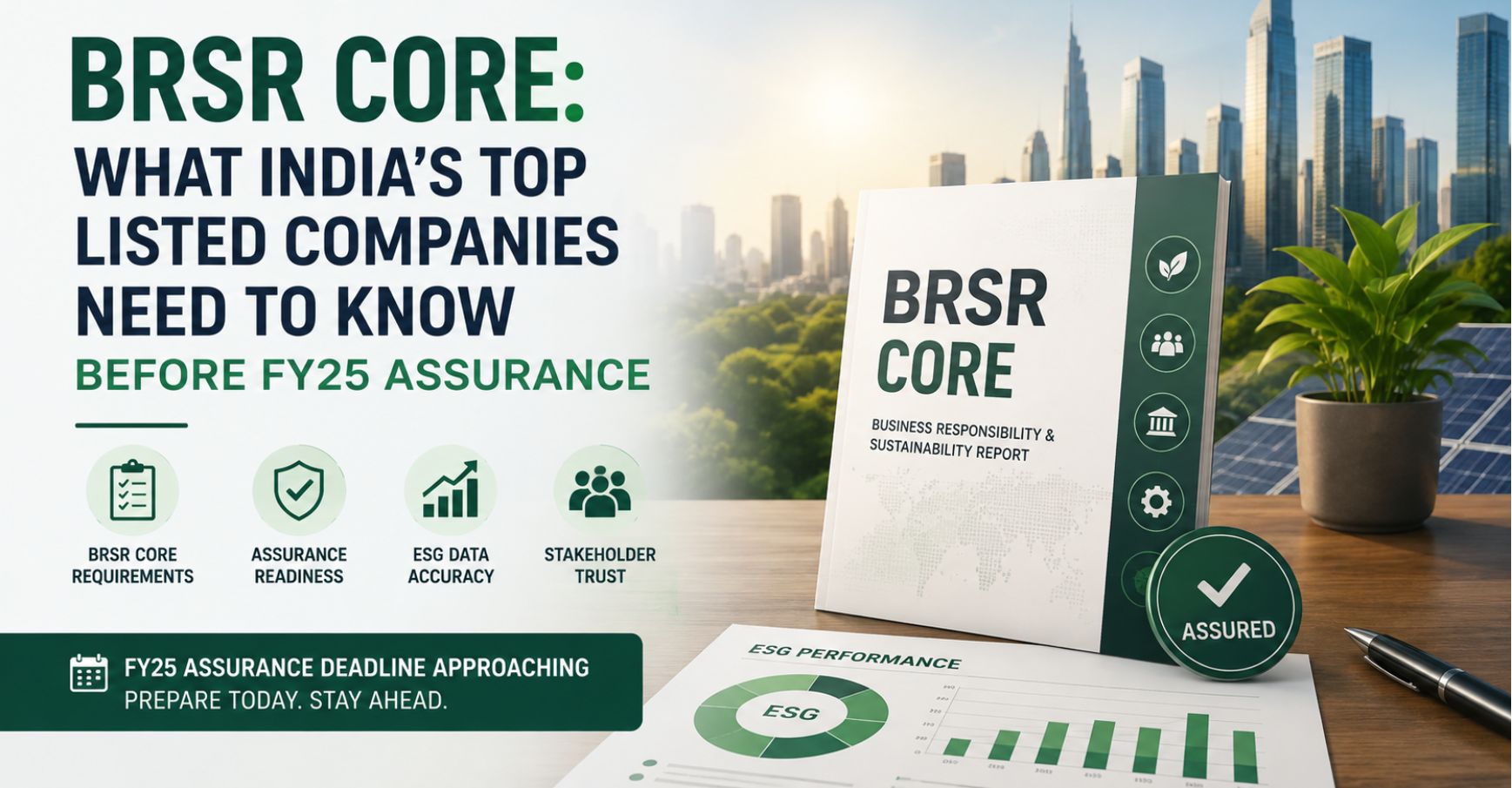
India’s ESG framework has advanced significantly through initiatives such as the Business Responsibility and Sustainability Report (BRSR) and increasing focus on climate disclosure, corporate governance, and responsible business conduct. Large listed companies are strengthening ESG reporting while suppliers and MSMEs are increasingly expected to demonstrate sustainability performance.
ESG Momentum Across the GCC
Countries such as the UAE and Saudi Arabia are embedding sustainability into national development strategies through ambitious net-zero commitments, green finance initiatives, and climate disclosure expectations. Businesses are investing in renewable energy, sustainable infrastructure, and transparent ESG reporting to remain globally competitive.
Shared Priorities
Despite different regulatory approaches, organisations across India and the GCC are focusing on:
- Climate resilience
- Carbon management
- Sustainable supply chains
- ESG governance
- Transparent reporting
- Digital ESG data systems
Looking Ahead
Cross-border businesses will increasingly need ESG programmes that align with both regional regulations and international reporting frameworks. Organisations that invest early in robust ESG systems will be better positioned to meet evolving stakeholder expectations.